号称“用音乐联结世界”的欧洲歌唱大赛,今年却迎来了70年历史上最撕裂的一刻。
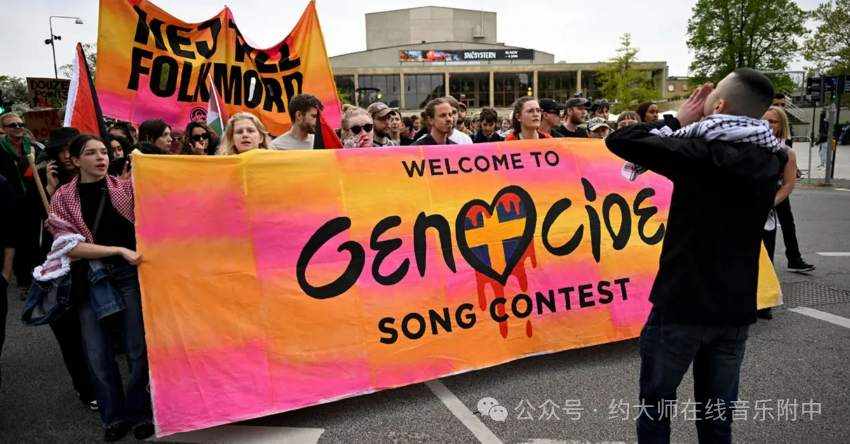
据英国广播公司(BBC)、《以色列时报》等多家外媒报道,当地时间5月10日,第70届欧洲歌唱大赛在奥地利维也纳拉开帷幕。然而,这场本该是歌迷狂欢的盛会,却因为以色列的继续参赛,陷入了前所未有的政治风暴。维也纳街头警力密布,整座城市进入高度戒备状态——不是为了防恐怖袭击,而是为了防抗议人群。
自1956年创办以来,欧洲歌唱大赛的参赛资格一直面向“欧洲广播区”内的成员,包括以色列、土耳其、叙利亚等国。然而自从2023年10月新一轮巴以冲突爆发,以色列在加沙的军事行动已造成超过7.2万人死亡(据哈马斯相关部门统计),是否允许以色列参赛,就成了每一年赛前绕不开的雷区。
2024年和2025年,抗议者已多次走上街头,以色列歌手甚至需要武装警卫贴身保护。在2025年的决赛上,两名抗议者冲上舞台,差点打断以色列选手的演唱。而那一年,以色列歌曲《新的一天即将到来》虽然在公众投票中拿下第一,最终却因评委打分偏低只获亚军——多国指责以色列总理内塔尼亚胡亲自下场,用官方社交媒体账号动员民众“刷票”。
矛盾在今年彻底爆发。
去年11月,多国在欧洲广播联盟的会议上提议禁止以色列参赛,提案未通过。结果,西班牙、荷兰、爱尔兰、斯洛文尼亚、冰岛五国相继宣布退出本届赛事。这其中,西班牙是大赛最大的“金主”之一,爱尔兰曾七次夺冠,而斯洛文尼亚更是直接宣布——用巴勒斯坦主题的电影和纪录片,取代大赛转播。
奥地利广播公司虽然表示,本届不会处理现场观众的“嘘声”,也不会禁止观众展示巴勒斯坦国旗,但大赛的中立性早已千疮百孔。《以色列时报》直言:这场音乐盛会,已经彻底变成了欧洲各国在巴以问题上的“代理战场”。
更心碎的是粉丝群体。
多个知名粉丝网站和播客宣布暂停报道本届大赛,因为他们眼中那个“建立在团结、和平与联结之上”的欧洲歌唱大赛,“从未像现在这样分裂”。也有不少老粉丝无奈地表示:虽然心里很难受,但毕竟追了这么多年,还是不舍得换台——只是今年看比赛的心情,真的“格外不一样”。
一场本该唱歌的比赛,最后唱出的,是一个时代的分裂。
What was supposed to be a celebration of music and unity has become the most painful split in the 70-year history of the Eurovision Song Contest.
According to multiple reports from the BBC, The Times of Israel, and other international media, the 70th edition of Eurovision officially opened on May 10 in Vienna, Austria. But instead of a fanfair, the event has descended into a political firestorm – all because of Israel’s continued participation. Vienna is now under heightened security, not primarily due to terrorist threats, but to contain mass protests.
Since its founding in 1956, Eurovision has allowed entries from any broadcaster within the “European Broadcasting Area”, which includes countries such as Israel, Türkiye, and Syria. However, following the outbreak of the latest Israel-Gaza war in October 2023, and with over 72,000 Palestinians reported killed by Hamas-affiliated authorities in Gaza, the question of whether Israel should be allowed to compete has become an annual flashpoint.
In 2024 and 2025, protests erupted on multiple occasions, and Israeli contestants had to be escorted by armed guards. During the 2025 final, two protesters rushed onto the stage, nearly interrupting the Israeli performance. That same year, Israel’s entry A New Day Will Come won the public vote – only to finish second due to low jury scores. Several countries accused Israeli Prime Minister Benjamin Netanyahu of using official government social media accounts to mobilise voters, effectively orchestrating a public “vote‑rigging” campaign.
This year, the conflict finally boiled over.
In November last year, multiple countries proposed banning Israel from the competition at a European Broadcasting Union (EBU) meeting. The proposal failed. In response, five nations – Spain, the Netherlands, Ireland, Slovenia, and Iceland – announced they would withdraw from this year’s event. Among them, Spain is one of Eurovision’s biggest financial backers; Ireland has won the contest seven times; and Slovenia went a step further, declaring it would replace Eurovision broadcasts with Palestinian films and documentaries.
Austria’s national broadcaster, ORF, stated that it would not edit out “booing” from the live audience nor ban the display of Palestinian flags. Nevertheless, the contest’s neutrality remains in serious doubt. The Times of Israel noted that what was once a joyful music festival has now become a microcosm of Europe’s deep divisions over the Israeli‑Palestinian conflict.
The controversy has also torn apart Eurovision’s devoted fanbase.
Several well‑known fan sites and podcasts have announced they will suspend coverage of this year’s contest, saying that “the Eurovision built on solidarity, peace and connection has never been more divided.” Many long‑time fans, while deeply saddened, say they still cannot bring themselves to miss the competition they have followed for years – though they admit that watching this year feels “different.”
A contest meant to sing out one message has instead sung out the sound of a fractured era.